The Power Foods Diet: An Overview
The Power Foods Diet, detailed in a readily available PDF, centers on consuming foods that actively trap, tame, and burn calories for lasting weight management․
What is the Power Foods Diet?
The Power Foods Diet, accessible as a comprehensive PDF resource, isn’t a restrictive regimen but a strategic approach to eating․ It’s built upon the principle that certain foods possess unique abilities – trapping calories before they’re absorbed, taming appetite to prevent overeating, and igniting the body’s natural calorie-burning processes․

Developed by Dr․ Neal Barnard, the diet emphasizes whole, plant-based foods․ The PDF guide details how these foods work synergistically to promote weight loss and overall health․ Unlike diets focused on deprivation, this plan champions enjoyment of delicious, satisfying meals while achieving sustainable results․ It’s a breakthrough plan for easy and permanent weight loss, as highlighted by endorsements from medical professionals like Jamie Kane, MD․
The Core Principles: Trapping, Taming, and Burning Calories
The Power Foods Diet, thoroughly explained in its accompanying PDF, revolves around three core principles․ “Trapping” refers to foods that bind to dietary fat and calories, reducing absorption․ “Taming” focuses on foods that promote satiety, curbing appetite and preventing overconsumption․ Finally, “Burning” highlights foods that boost metabolism and encourage the body to utilize stored fat for energy․
The PDF details how specific food groups – greens, fruits, legumes, whole grains, and spices – contribute to each principle․ This isn’t about counting calories, but about strategically choosing foods that work with your body to achieve natural weight management․ Dr․ Barnard’s research, detailed within the guide, underscores the effectiveness of this approach․

Key Power Foods & Their Mechanisms
The Power Foods Diet PDF emphasizes specific foods – greens, fruits, legumes, grains, and spices – and details how each uniquely impacts calorie management․
Greens: The Calorie Trappers
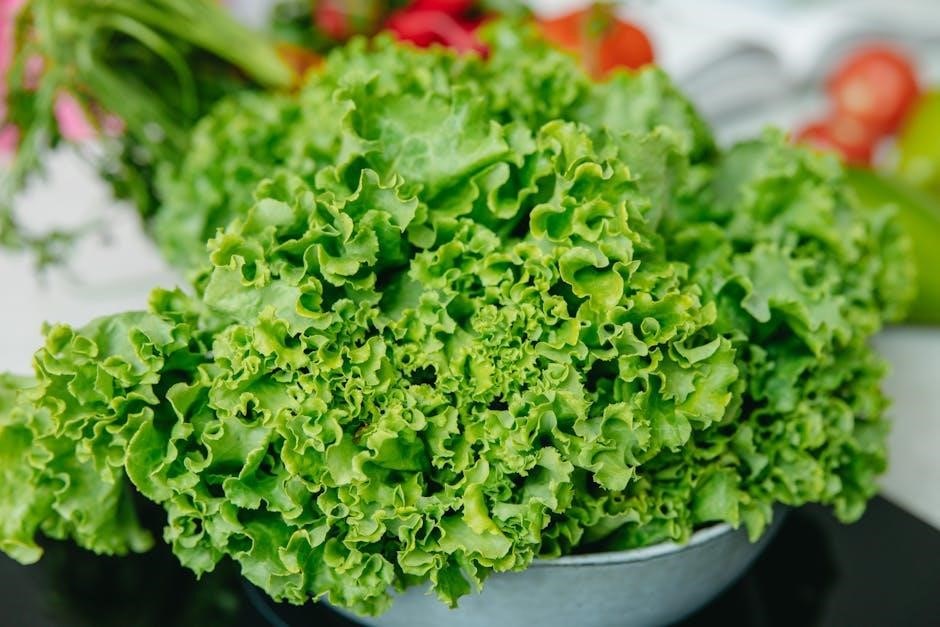
The Power Foods Diet PDF highlights greens as pivotal “calorie trappers” due to their exceptionally low calorie density and high fiber content․ This unique combination allows you to consume substantial volumes of food without a significant caloric intake, effectively creating a calorie deficit․
Fiber, abundant in leafy greens, promotes feelings of fullness, reducing overall appetite and preventing overeating․ Furthermore, the water content in greens contributes to satiety and supports healthy digestion․ The PDF details how incorporating ample servings of vegetables like spinach, kale, broccoli, and lettuce into each meal is a cornerstone of the diet’s success, actively working to trap calories before they are absorbed;
Fruits: Boosting Metabolism
According to the Power Foods Diet PDF, fruits aren’t just sweet treats; they’re metabolic boosters! While containing natural sugars, fruits are packed with essential vitamins, minerals, and antioxidants that support optimal bodily functions, including a healthy metabolism․
The PDF emphasizes that the fiber content in fruits aids digestion and helps regulate blood sugar levels, preventing energy crashes and cravings․ Specific fruits, like berries and apples, are highlighted for their particularly potent antioxidant properties․ These compounds combat inflammation and support cellular health, contributing to a more efficient metabolic rate․ Enjoying fruits strategically can enhance calorie burning and overall energy expenditure․
Legumes: Appetite Taming Power
The Power Foods Diet PDF champions legumes – beans, lentils, and peas – as powerful appetite tamers․ These plant-based proteins are incredibly filling due to their high fiber and protein content, promoting satiety and reducing overall calorie intake․ The PDF details how legumes slow down digestion, keeping you feeling fuller for longer, and minimizing cravings between meals․
Furthermore, legumes have a low glycemic index, meaning they release glucose slowly into the bloodstream, preventing spikes in insulin and subsequent energy dips․ This stable energy level contributes to better appetite control․ Incorporating legumes regularly, as outlined in the PDF, is a key strategy for achieving sustainable weight loss․
Whole Grains: Sustained Energy & Satiety
According to the Power Foods Diet PDF, whole grains are crucial for providing sustained energy and promoting fullness․ Unlike refined grains, whole grains retain their bran, germ, and endosperm, offering a rich source of fiber, vitamins, and minerals․ This fiber content is key to satiety, helping to control appetite and reduce overeating, as detailed within the PDF’s guidelines․
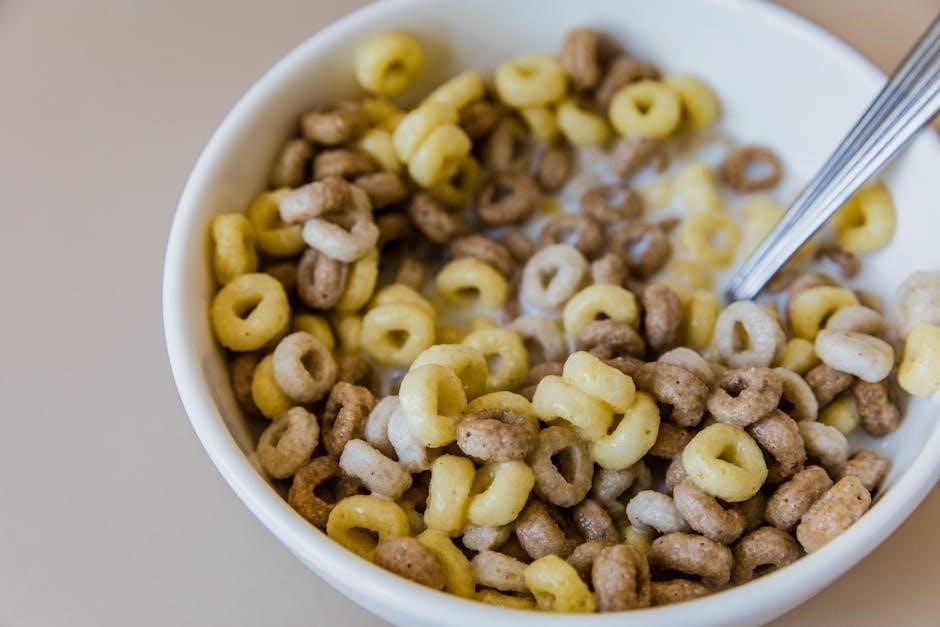
The PDF emphasizes choosing options like quinoa, brown rice, and oats over white bread and processed cereals․ These complex carbohydrates are digested slowly, preventing blood sugar spikes and crashes that can trigger cravings․ Consistent energy levels, supported by whole grain consumption, are a cornerstone of the diet’s success․
Spices: Igniting the Calorie Burn
The Power Foods Diet PDF highlights the surprising role spices play in boosting metabolism and aiding weight loss․ Certain spices contain compounds that can gently increase thermogenesis – the body’s heat production – leading to a modest but significant calorie burn․ The PDF details how incorporating spices into meals isn’t just about flavor, but about actively supporting weight management goals․
Specifically, the PDF recommends spices like cayenne pepper, ginger, and turmeric․ These aren’t merely flavor enhancers; they possess properties that can improve insulin sensitivity and reduce inflammation․ Regularly using these spices, as outlined in the diet’s recipes within the PDF, can contribute to a more efficient metabolic rate․
The Diet Plan in Detail
The Power Foods Diet PDF provides a structured plan emphasizing whole, plant-based foods, complete with sample meals and guidance for sustainable, long-term success․
Sample Meal Plan (Breakfast, Lunch, Dinner)
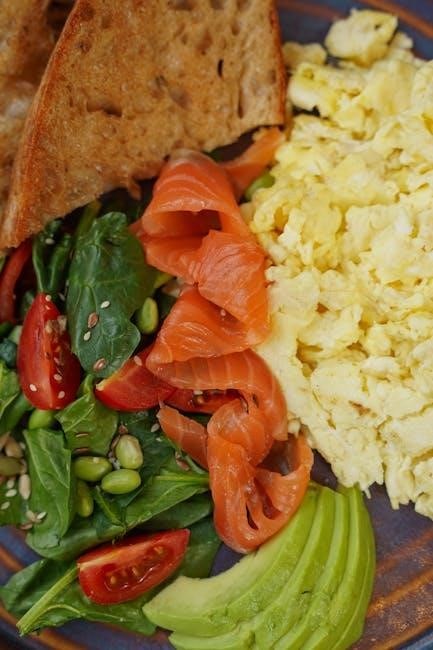
The Power Foods Diet PDF outlines a delicious and achievable meal plan․ For breakfast, consider oatmeal with berries and flaxseeds – a calorie-trapping start! Lunch could be a large salad with legumes, like lentils, and a variety of colorful vegetables, promoting satiety․ Dinner might feature a hearty whole-grain pasta dish with steamed greens and a flavorful tomato-based sauce․
Snacks are encouraged, focusing on fruits like apples or oranges to boost metabolism․ The plan emphasizes portion control and mindful eating․ Recipes within the PDF offer variety and ease of preparation․ It’s designed to be flexible, allowing for substitutions based on personal preferences while adhering to the core principles of trapping, taming, and burning calories․ The goal is enjoyment alongside effective weight management․
Foods to Emphasize
The Power Foods Diet PDF strongly advocates for a plant-focused approach․ Prioritize non-starchy vegetables – greens like spinach and kale are calorie trappers! Fruits, especially berries, provide metabolic boosts․ Legumes, including beans and lentils, are appetite tamers, keeping you feeling full and satisfied․
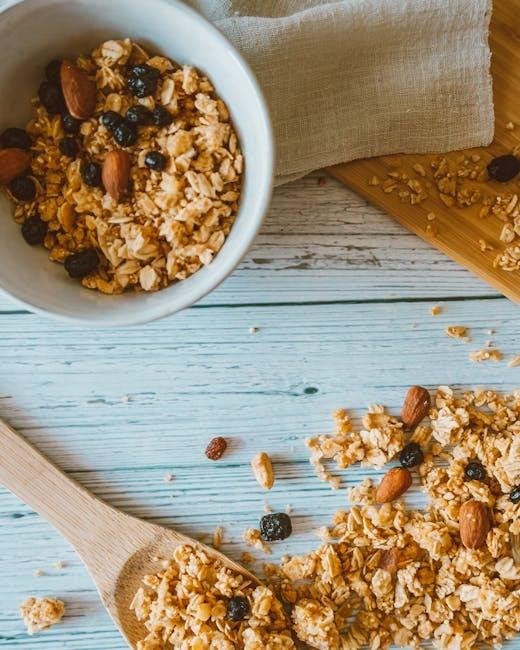
Whole grains, such as quinoa and brown rice, deliver sustained energy․ Don’t forget the power of spices! They can ignite calorie burn and add flavor without adding calories․ The PDF details how these foods work synergistically․ It encourages abundant consumption of these power foods, forming the foundation of every meal and snack․ This dietary emphasis supports weight loss and overall health․
Foods to Limit or Avoid
The Power Foods Diet PDF advises minimizing or eliminating foods that hinder weight loss and overall health․ Highly processed foods, laden with sugar, salt, and unhealthy fats, should be drastically reduced․ These offer little nutritional value and contribute to calorie excess․ Animal products, particularly red and processed meats, are also limited due to their impact on inflammation and weight management․
Refined grains, like white bread and pasta, provide minimal satiety and can spike blood sugar levels․ The PDF emphasizes that dairy products should be consumed cautiously, if at all․ Prioritizing whole, plant-based foods is key, and avoiding these restrictive items supports the diet’s core principles․

Scientific Backing & Research
The Power Foods Diet PDF highlights Dr․ Neal Barnard’s research, emphasizing the role of plant-based foods in weight loss and improved metabolic health․
Dr․ Neal Barnard’s Research & Expertise
Dr․ Neal Barnard, a leading nutrition researcher, is the foundational figure behind The Power Foods Diet, extensively detailed within the comprehensive PDF guide․ His decades of study focus on the impact of diet on health, particularly exploring plant-based nutrition’s power․ The PDF showcases his research demonstrating how specific foods can actively influence appetite, calorie absorption, and metabolism․
Barnard’s expertise extends to clinical trials and published works, solidifying the diet’s scientific basis․ He champions a dietary approach that doesn’t rely on restriction but rather on strategically selecting foods with inherent “power” – those that trap calories, tame hunger, and ignite fat burning․ The Power Foods Diet PDF serves as a culmination of his work, offering a practical and evidence-based path to weight management and overall wellness․
The Role of Fiber in Weight Management
The Power Foods Diet PDF heavily emphasizes fiber’s crucial role in successful weight management․ Fiber-rich foods, central to the diet, promote satiety, helping individuals feel fuller for longer and naturally reduce calorie intake․ This isn’t simply about bulk; fiber impacts digestion and nutrient absorption, contributing to stable blood sugar levels․
The PDF details how fiber “traps” calories, reducing their absorption in the digestive process․ Foods like legumes, whole grains, and abundant greens – cornerstones of the diet – are packed with this beneficial nutrient․ By prioritizing these power foods, the diet facilitates a gentle, sustainable approach to weight loss, avoiding restrictive measures and fostering long-term healthy habits, all clearly outlined within the PDF․
Impact on Insulin Sensitivity
The Power Foods Diet PDF highlights a significant benefit: improved insulin sensitivity․ The diet’s focus on whole, plant-based foods minimizes processed ingredients and refined sugars, directly addressing insulin resistance – a key factor in weight gain and type 2 diabetes․ By stabilizing blood sugar levels, the diet allows the body to utilize insulin more effectively․
The PDF explains how this enhanced sensitivity not only aids weight loss but also reduces the risk of chronic diseases․ Foods emphasized within the diet, like legumes and whole grains, possess a low glycemic index, preventing rapid spikes in blood sugar․ This approach, thoroughly detailed in the PDF, promotes metabolic health and supports sustained energy levels, moving beyond simple calorie restriction․

Practical Implementation & Resources
The Power Foods Diet PDF provides a comprehensive guide, including meal plans and recipes, to easily implement this calorie-focused eating approach for success․
Finding Power Foods Recipes
The Power Foods Diet PDF is an excellent starting point, often containing a selection of recipes designed to maximize the diet’s benefits․ However, expanding your culinary repertoire is key to long-term adherence․ Numerous online resources, including websites dedicated to plant-based eating and Dr․ Neal Barnard’s PCRM organization, offer a wealth of Power Foods-compliant recipes․
Look for recipes emphasizing greens, fruits, legumes, and whole grains – the core components of the diet․ Many blogs and cooking sites now categorize recipes based on dietary needs, making it simple to filter for Power Foods options․ Furthermore, exploring cookbooks focused on vegan or vegetarian cuisine can yield delicious and satisfying meals that align perfectly with the diet’s principles, ensuring variety and enjoyment throughout your journey;
The Power Foods Diet PDF Availability
The Power Foods Diet PDF version is widely accessible through various online retailers and platforms․ A digital copy can be conveniently purchased from Amazon and other ebook vendors, offering immediate access to the complete diet plan․ Searching online using keywords like “Power Foods Diet PDF download” will yield numerous results, though verifying the source’s legitimacy is crucial to avoid potentially unreliable files․
Additionally, some libraries offer digital lending options, allowing you to borrow the PDF for a limited time․ The official PCRM (Physicians Committee for Responsible Medicine) website, associated with Dr․ Neal Barnard, may also provide supplementary materials or links to purchase the official PDF version, ensuring you receive accurate and up-to-date information․
Potential Challenges & How to Overcome Them
Adhering to the Power Foods Diet, even with the PDF guide, can present initial hurdles․ Transitioning to a plant-focused diet may require learning new recipes and cooking techniques, potentially feeling time-consuming at first․ Social situations involving food can also be challenging, demanding mindful choices and polite refusal of non-compliant options․
To overcome these, utilize the wealth of recipes available online and within the PDF itself․ Meal prepping and planning are essential․ Communicate your dietary needs to friends and family․ Remember that the diet isn’t about deprivation, but about discovering delicious, health-promoting foods․ Focus on the positive benefits – increased energy and improved health – to stay motivated․

Benefits Beyond Weight Loss
The Power Foods Diet, outlined in its PDF, extends beyond weight loss, promoting improved heart health, reduced diabetes risk, and sustained, natural energy levels․
Improved Heart Health
The Power Foods Diet, comprehensively detailed within its accessible PDF guide, significantly contributes to improved cardiovascular health․ This is achieved through the emphasis on plant-based foods, naturally low in saturated fats and cholesterol – key contributors to heart disease․ The diet’s focus on fiber-rich foods, like legumes and whole grains, actively helps lower LDL (“bad”) cholesterol levels, reducing plaque buildup in arteries․
Furthermore, the abundance of fruits and vegetables provides essential vitamins, minerals, and antioxidants that protect against oxidative stress and inflammation, both critical factors in heart disease development․ By prioritizing these “power foods,” the diet supports healthy blood pressure and overall circulatory function, fostering a stronger and more resilient cardiovascular system․ The PDF provides detailed guidance on incorporating these heart-healthy choices into daily meals․
Reduced Risk of Type 2 Diabetes
The Power Foods Diet, thoroughly explained in its downloadable PDF format, demonstrably lowers the risk of developing Type 2 Diabetes․ Central to this benefit is the diet’s emphasis on foods with a low glycemic index, preventing rapid spikes in blood sugar levels; High fiber intake, promoted by legumes and whole grains detailed in the PDF, enhances insulin sensitivity, allowing the body to utilize glucose more effectively․
By prioritizing plant-based foods and limiting processed options, the diet helps maintain a healthy weight, a crucial factor in diabetes prevention․ The PDF also highlights the role of specific spices in improving glucose metabolism․ Ultimately, the Power Foods Diet offers a sustainable and delicious approach to regulating blood sugar and minimizing the risk of this chronic condition․
Enhanced Energy Levels
The Power Foods Diet, comprehensively outlined in its accessible PDF guide, promotes sustained energy throughout the day, unlike diets causing energy crashes․ This is achieved by focusing on whole, unprocessed foods rich in complex carbohydrates – detailed within the PDF – providing a steady glucose release․ Avoiding restrictive calorie counting and embracing nutrient-dense options prevents fatigue and supports optimal physical function․
The PDF emphasizes the importance of fiber-rich foods for digestive health, contributing to consistent energy levels․ Furthermore, the diet’s emphasis on fruits and vegetables delivers essential vitamins and minerals․ By nourishing the body with optimal fuel, the Power Foods Diet fosters vitality and combats sluggishness, leading to a more active and fulfilling lifestyle․

Comparing to Other Diets
The Power Foods Diet’s PDF contrasts with keto’s fat focus and differs from the Mediterranean diet’s broader approach, prioritizing calorie manipulation through food choices․
Power Foods vs․ Keto
The Power Foods Diet, as outlined in its comprehensive PDF guide, fundamentally diverges from the ketogenic diet․ Keto drastically restricts carbohydrates, forcing the body into ketosis – burning fat for fuel․ Conversely, the Power Foods Diet emphasizes increasing intake of specific plant-based foods to naturally regulate appetite, trap calories, and boost metabolism․
While keto often limits fruits and many vegetables, the Power Foods Diet champions these as crucial components․ The PDF details how fiber-rich foods, a cornerstone of this plan, promote satiety and improve insulin sensitivity, unlike keto’s potential impact on these areas․ The Power Foods approach prioritizes long-term, sustainable habits over rapid, restrictive changes, offering a more balanced and enjoyable path to weight management, as detailed within the downloadable resource․
Power Foods vs․ Mediterranean Diet
The Power Foods Diet, thoroughly explained in its accessible PDF format, shares similarities with the Mediterranean Diet but possesses distinct focuses․ Both emphasize whole, plant-based foods, promoting overall health․ However, the Power Foods Diet specifically targets weight loss through a three-pronged approach: trapping, taming, and burning calories – a concept detailed extensively within the PDF․
While the Mediterranean Diet is broader in scope, the Power Foods Diet concentrates on foods with proven metabolic advantages․ The PDF highlights the strategic use of legumes, greens, and spices to maximize these effects․ Both diets are sustainable, but the Power Foods Diet offers a more targeted strategy for those seeking weight loss, providing a structured plan and specific food recommendations readily available in its downloadable guide․