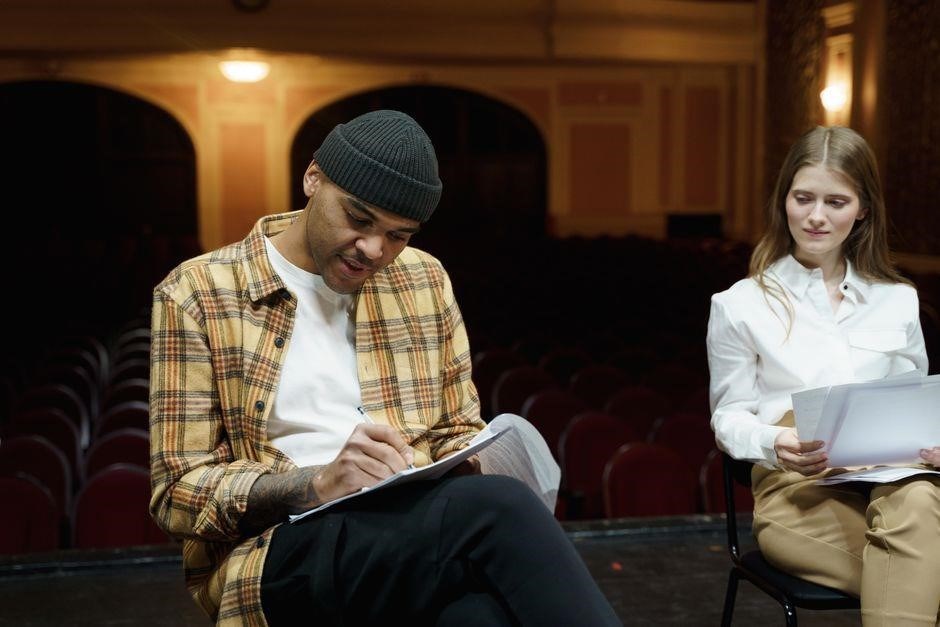
PDF versions of nativity musical scripts offer accessible, portable formats for schools, churches, and community groups. They combine dialogue, lyrics, and stage directions, enabling quick rehearsal and flexible printing for any production. for all ages.!!
Historical Context of Nativity Play Scripts
The tradition of dramatizing the birth of Jesus dates back to the early Christian church, where clergy and laypeople performed simple liturgical plays during the Advent season. These early performances were often staged in churches or on the streets, using minimal props and relying on the audience’s imagination. By the 12th and 13th centuries, the medieval pageant system evolved, featuring elaborate itinerant troupes that traveled from town to town, presenting the Nativity alongside other biblical scenes. The scripts of this era were handwritten manuscripts, richly illuminated, and heavily influenced by the liturgical calendar. With the advent of the printing press in the 15th century, printed playbooks began to circulate, making the original text more widely available and standardizing the narrative structure. The 19th century saw a revival of interest in medieval drama, leading to the creation of more modern, accessible versions of the Nativity play that incorporated contemporary language and musical elements. In the 20th and 21st centuries, the digitization of these scripts has allowed for the creation of PDF files, preserving the original text and enabling convenient printing. This digital shift democratized access to historic scripts, enabling churches to adapt and stage the Nativity with greater ease and fidelity to tradition.
Current Availability of PDF Scripts
Today, a wide array of Nativity musical scripts is available in PDF format across numerous online platforms. Many churches, schools, and community theater groups host dedicated websites where users can download free or paid versions. These PDFs often include full dialogue, musical notation, stage directions, and suggested props, making them ready for immediate rehearsal. Additionally, several digital libraries and open‑source repositories host public‑domain scripts, allowing performers to adapt the material without licensing concerns. Commercially produced scripts are also sold through specialized theatrical distributors, offering professionally formatted files with high‑resolution images and customizable layouts. The convenience of PDF files—portable, printable, and compatible with most devices—has made them the preferred choice for modern productions. As a result, the accessibility of Nativity musical scripts has increased dramatically, encouraging more communities to stage the story each holiday season.

For example, the Internet Archive hosts public‑domain Nativity plays, while Free‑Theatre‑Scripts.com offers modern PDF adaptations. Many dioceses keep digital libraries, community groups share PDFs on Scribd, offering access to scripts for cast sizes budgets .
Popular Nativity Play Scripts Available as PDFs
PDFs of popular Nativity plays—such as classic “The Nativity” and modern “Its A Nativity”—are widely shared online. These files feature full scripts, musical scores, and stage cues, enabling quick rehearsal and printing for schools and churches and youth.kids
Classic Christian Nativity Play Scripts
Classic Christian nativity scripts in PDF format have long served as the backbone of holiday productions worldwide. These texts typically combine traditional biblical narration with simple musical numbers, stage directions, and character descriptions that are easy to adapt for schools, churches, and community theaters. The most frequently requested PDFs include timeless pieces such as “The Nativity” by the National Association of Pastors, “A Christmas Story” adapted from the King James Bible, and “The Shepherd’s Song.” Each script is structured to allow performers to follow a clear narrative arc while incorporating choruses, solos, and ensemble pieces that reinforce the themes of humility, hope, and divine revelation. Many of these PDFs are available through reputable religious publishing houses and online repositories that offer free downloads for non‑commercial use. They often come with optional color‑coded pages, printable role sheets, and suggested costume lists that help directors streamline rehearsals. For educators, the PDFs provide a ready curriculum that can be integrated into lesson plans, allowing students to study the historical context of the Nativity, analyze musical motifs, and participate in performance. These PDFs provide a comprehensive, ready‑to‑use resource for a production.
Children’s Nativity Play Scripts
Children’s nativity play scripts in PDF format are designed to engage young performers while preserving the core story of Jesus’ birth. These scripts typically feature simple language, repetitive choruses, and clear stage directions that accommodate limited rehearsal time. Many PDFs are available from community theater groups, church ministries, and online educational platforms that offer free or low‑cost downloads. The scripts often include character lists with age‑appropriate roles such as Mary, Joseph, the shepherds, the wise men, and the angel. They also provide suggested costumes—such as simple tunics, blankets, and hats—alongside basic prop lists that can be assembled from household items. Musical numbers are usually short, with sing‑along melodies that reinforce key biblical verses. By providing a ready‑made, printable resource, these PDFs help ensure that children’s nativity productions run smoothly and remain accessible to all participants.!!!
PDFs feature “behind the scenes” section explaining Nativity’s historical context, shepherds’ visit, and star’s symbolism. This educational part lets directors weave discussion points during rehearsals, deepening cast’s understanding. Some scripts include “parent’s guide” with volunteer role ideas, fundraising tips, ways to involve community and community. PDF format allows printing on standard paper, sharing electronically, or storing on tablet for on‑stage reference. Overall, children’s nativity PDFs combine accessibility, education, artistic joy, making them staple for holiday programs in schools and churches for all ages everywhere.

Notable Musical Adaptations of the Nativity Story
Andrew Oxspring’s “It’s A Nativity” blends music with the biblical story, featuring characters. Other works, like “The Nativity Musical,” offer arrangements appealing to today’s audiences new modern!

Andrew Oxspring’s “Its A Nativity”
Andrew Oxspring’s “It’s A Nativity” is a contemporary musical that reimagines the classic Christmas narrative through a blend of original songs, spoken dialogue, and interactive storytelling. The script, available in PDF format, invites performers to embody key biblical figures—Mary, Joseph, the shepherds, the Magi, and the angelic host—while weaving in modern musical styles such as pop, gospel, and folk. The musical’s structure follows the traditional three-act format: the announcement of the divine birth, the journey to Bethlehem, and the humble arrival in the stable. Each act is punctuated by lyrical numbers that emphasize themes of hope, humility, and divine grace. The PDF script includes detailed stage directions, character notes, and suggested musical arrangements, making it accessible for seasoned theater a companies community groups with limited resources. Oxspring’s work emphasizes inclusivity, encouraging diverse casting and adaptable set designs that can be scaled for small stages or larger productions. The musical also incorporates interactive elements, such as audience participation during the angelic proclamation, fostering a communal celebration of the nativity story. Overall, “It’s A Nativity” offers a fresh, engaging way to present the timeless tale, blending faith-based storytelling with contemporary musical expression. The PDF version provides a printable cast list, lighting cues, director’s note, ensuring a production from rehearsal, to curtain call.
Other Contemporary Nativity Musicals
In recent years, several modern composers have crafted fresh takes on the nativity narrative, each offering a unique blend of musical styles and theatrical approaches. One notable example is “The Star of Bethlehem,” a musical by composer‑lyricist Maria L. Thompson, which combines traditional hymns with contemporary pop arrangements to highlight the journey of the Magi. The script, available as a PDF, is structured in three acts, each featuring a distinct musical motif that reflects the emotional arc of the story—from the awe of the angelic announcement to the quiet reverence of the stable. Its PDF script includes detailed vocal arrangements, suggested instrumentation, and stage directions that accommodate both intimate community theater groups and larger professional productions. “Silent Night, Silent Night,” a project by the New York Youth Theater blends classical beautiful radiant! choral music with spoken word, creating an experience that invites participation during the angelic proclamation. The PDF version provides a comprehensive cast list, lighting cues, and a director’s guide, ensuring accessibility for schools and churches alike. These contemporary adaptations demonstrate the enduring relevance of the nativity story, offering performers and audiences fresh perspectives while preserving the core messages of faith, humility, and wonder.

Legal Considerations When Using PDF Scripts
Copyright law governs PDF script use. Public domain works can be freely performed, while modern pieces require licensing. Obtain permissions from rights holders or use licensed performance rights organizations. Ensure all PDFs are properly cited. Rights!!!

Copyright and Public Domain Works
Many traditional nativity plays and early Christian texts have entered the public domain, allowing free use in PDF format. Classic scripts such as “The Nativity” by 19th‑century authors, or the biblical account from the New Testament, are no longer protected by copyright. These works can be reproduced, adapted, and performed without seeking permission or paying royalties. When a PDF script is labeled “public domain,” it typically means the original author died more than 70 years ago, or the work was never copyrighted. However, modern adaptations that add new dialogue, music, or staging instructions may be copyrighted even if the source text is free. It is essential to verify the copyright status of each PDF file before use. Reliable sources for confirmation include the U.S. Copyright Office’s public domain database, the Library of Congress, or the Creative Commons “Public Domain Mark.” If a script contains any newly composed music, the composer’s rights must be respected; the music may be under a separate copyright. For performances, keep a record of domain status and derivativeworks,ensuring all elements—text, lyrics—are either in the public domain or proper licensed.!!!!!! These PDFs are widely shared among churches, schools, and community groups, providing a ready resource for rehearsal and performance.!!!!!!
Licensing Options for Commercial Performances
Commercial productions of nativity musical scripts in PDF format must secure proper licensing. If the script is public domain, the text can be used freely, but any added music, choreography, or new dialogue is protected. Producers typically obtain a performance‑rights license from the rights holder, paying a fee that may depend on venue size, number of performances, and season length. Publishers often offer flat‑fee packages that include sheet music, vocal arrangements, and stage directions, simplifying the process. A written agreement should specify the scope of use, dates, locations, and any restrictions on recording or broadcasting. It must also address whether the production can be recorded for later distribution, as this can trigger additional royalties. For large‑scale shows, such as Andrew Oxspring’s “Its A Nativity,” the licensing may be bundled with the score and libretto, requiring direct contact with the publisher or composer’s representative. Finally, keep a copy of the license and any correspondence; proof of compliance may be required if a copyright office or third party raises a claim. By following these steps, commercial productions can legally bring the nativity story to life while respecting creators’ intellectual property rights for all kids.

Practical Tips for Implementing PDF Scripts in Productions
Use a PDF viewer with annotation tools to mark cues. Print copies for each actor, for stage notes. Keep a master copy on USB. During rehearsals, project the script. Adjust font size for readability. Store props the full and script pages to reduce a bright clutter.
Formatting and Layout Best Practices
When preparing a nativity musical script in PDF, begin with a clear, readable typeface such as Times New Roman or Garamond, 12‑point size for body text and 14‑point for headings. Use consistent margins—1.5 inches on all sides to ensure stage directions are easily visible. Center the title on the first page, followed by a concise synopsis and a list of characters with brief descriptions. Each scene should start on a new page, with scene numbers and titles left‑aligned and bolded. Dialogue lines are indented 0.5 inches, while stage directions are italicized and placed in brackets to distinguish them from spoken text. Incorporate a header on every page that includes the production name, page number, and a small logo if available; a footer can list rehearsal dates or contact information. For musical numbers, separate the lyrics from the spoken dialogue by placing them on a new page with a clear heading, and use a larger font for the chorus to emphasize key moments. Include cue numbers in the top right corner of each page, and use color‑coded highlighting for different character groups—blue for the shepherds, gold for the Magi, and red for the angelic voices—to aid quick identification during live performance. Add concise notes for lighting cues and sound effects to ensure smooth transitions and timing!
Costumes, Props, and Song Integration
Costume design for a nativity musical should reflect the era and cultural context while remaining practical for performers. Traditional robes in earth tones, simple tunics, and modest head coverings convey humility, whereas brighter colors for the Magi highlight their exotic origins. Use lightweight fabrics such as cotton or linen to allow easy movement during choreography. Props are essential for setting the scene: a stable backdrop, a manger, a simple wooden crib, and a few shepherd’s staffs or a shepherd’s crook. A small, portable “angel” lantern can symbolize the divine announcement. For the musical numbers, integrate props into the choreography—actors can pass a star or a scroll to emphasize the angelic message. Song integration should be seamless; place musical cues in the script with clear tempo markings and key signatures. Ensure that the vocal parts align with the narrative flow, allowing for dramatic pauses that match costume changes or prop reveals. Rehearsals should focus on synchronizing costume changes with song transitions, using quick‑change techniques such as removable layers or pre‑positioned accessories. This coordination enhances the storytelling and keeps the audience engaged throughout the performance.
Lighting cues sync with music, enhancing resonance mood!!.

Digital Resources and Online Communities
Download free PDF scripts, join online forums. Online share stage notes, costume ideas, and musical arrangements. Engage on Facebook, Reddit, or Discord to discuss production tips and celebrate nativity traditions.
Free Download Sites for Nativity Scripts
Numerous online repositories offer free PDF versions of nativity musical scripts, making it simple for educators, youth groups, and community theaters to access high‑quality material without cost. Popular sites include the Church Music Resource Center, which hosts a variety of traditional and contemporary scripts; the Free Theatre Library, where users can download scripts in multiple languages; and the Digital Library of the National Association of Pastors, which provides downloadable PDFs for public‑domain works. Many of these platforms allow users to search by keyword, genre, or length, ensuring that a suitable script can be found for any production size. Additionally, community‑run forums such as the “Nativity Play Exchange” on Reddit offer user‑submitted PDFs and discussion threads that help troubleshoot staging challenges. For those who prefer a more curated experience, the “ScriptHub” website aggregates vetted PDFs from reputable publishers, ensuring that the downloaded material is both legally safe and production‑ready. When downloading, always verify that the script’s copyright status is clear; most free sites provide licensing information or a public‑domain stamp. With these tools, the creative process becomes smoother, encouraging more communities to celebrate the nativity through music and performance now and today, including stage directions, musical cues, and lighting plans, and printable sheets for each role, plus a rehearsal guide.
Online Forums and Performance Groups
Engaging with dedicated online communities can transform a simple PDF script into a vibrant, collaborative production. The Nativity Play Exchange on Reddit hosts weekly threads where directors share rehearsal tips, lighting diagrams, and costume ideas, often linking to PDF scripts that have been adapted for local audiences. Join the discussion now! The Theatre Communications Group forum offers a dedicated “Holiday & Seasonal” board where producers can discuss licensing, stage design, and marketing strategies for nativity shows. Many of these groups also maintain shared drive repositories, allowing quick access to updated PDF scripts and cue sheets. In addition, the National Association of Pastors hosts an annual virtual conference where participants can download free PDF scripts, attend workshops on musical direction, and network with other directors worldwide. By actively participating in these forums, directors gain insights into contemporary musical adaptations, discover new musical arrangements, and receive real time support for technical challenges such as sound mixing or set construction. The collaborative environment also encourages the exchange of original musical compositions, ensuring that each production can offer a fresh, culturally relevant rendition of the nativity story while staying true to the script’s core narrative.