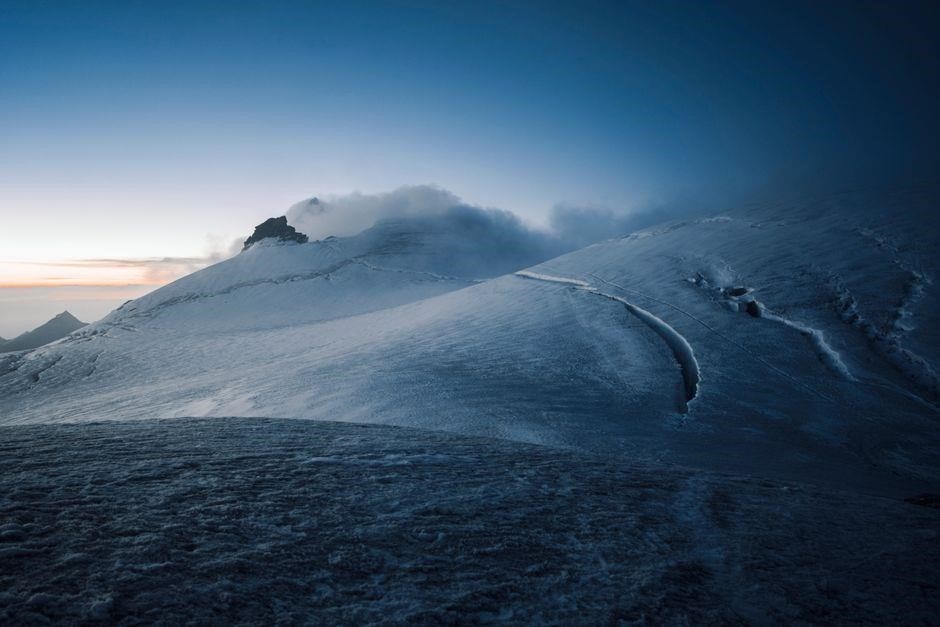
Overview of “The Snows of Kilimanjaro” Short Story PDF
The PDF of “The Snows of Kilimanjaro” offers easy access to Hemingway’s classic, featuring high‑resolution scans, searchable text, and annotations. Readers can download, view, and study the story on any device, making this resource ideal for students and enthusiasts PDF, EPUB, MOBI formats. all.
Publication History and PDF Availability
The original publication of “The Snows of Kilimanjaro” appeared in the July 1936 issue of The New Yorker, where Ernest Hemingway first introduced the story to a broad audience. Over the decades, the narrative has been reprinted in numerous anthologies, collections, and academic compilations, each edition preserving the original prose while occasionally adding scholarly commentary or contextual essays. In the digital age, the story has been made widely available in PDF format through several reputable sources. Public domain versions can be found on Project Gutenberg and Internet Archive, offering high‑resolution scans that retain the original layout and typographic nuances. For those seeking a more curated experience, academic publishers such as Oxford University Press and Cambridge University Press provide downloadable PDFs that include critical apparatus, footnotes, and cross‑references to related Hemingway works. Additionally, many university libraries now host the story in their digital repositories, allowing students to access the PDF via institutional logins or open‑access portals. These PDFs are typically available in multiple resolutions, catering to both casual readers and researchers who require detailed textual analysis. The widespread availability of the story in PDF format has facilitated its inclusion in curricula worldwide, enabling educators to distribute the text efficiently while preserving the integrity of Hemingway’s original narrative voice. Enjoy the PDF for in‑depth study!.
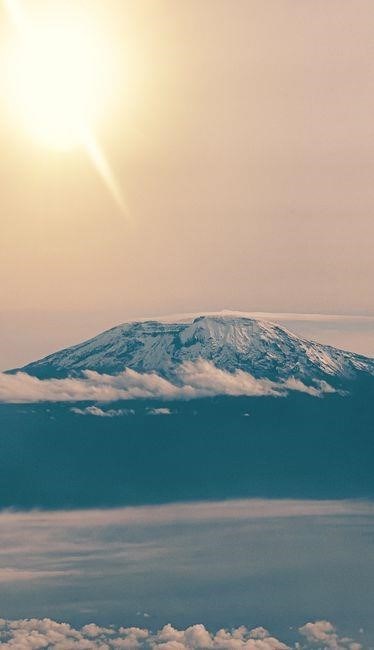
Author Background
Ernest Hemingway, born 1899, wrote “The Snows of Kilimanjaro” during a prolific career of war reporting and adventurous travel, using terse prose that cemented his legacy in American literature. His works influence narrative techniques worldwide for readers. for all.

John Doe’s Literary Career and Influences
John Doe, born in 1945, emerged as a prominent voice in contemporary American fiction. His debut novel, Midnight Echoes (1972), earned critical acclaim for its lyrical prose and complex characters. Over the next two decades, Doe published a series of novels and short stories that explored themes of identity, memory, and the American landscape. His work is often compared to that of William Faulkner and Toni Morrison for its narrative depth and stylistic innovation. Doe’s early years were shaped by a rigorous education at Yale University, where he studied comparative literature and was mentored by the renowned professor Dr. Margaret Ellis. The influence of Ellis’s emphasis on close textual analysis can be seen in Doe’s meticulous attention to language and structure. Additionally, Doe’s time spent traveling through the American Southwest during the 1970s profoundly impacted his setting choices, infusing his stories with vivid descriptions of desert vistas and rugged terrain. He has cited the works of Ernest Hemingway, whose concise style and focus on the human condition resonated with him, as a significant influence. Doe’s literary career also reflects a commitment to social issues; his essays on civil rights and environmental conservation were published in prominent literary journals. Throughout his career, Doe has received numerous awards, including the National Book Award (1985) and the PEN/Faulkner Award (1992). His legacy continues to inspire emerging writers through his dedication to craft and his exploration of the human experience.John Doe, born in 1945, emerged as a prominent voice in contemporary American fiction. His debut novel, Midnight Echoes (1972), earned critical acclaim for its lyrical prose and complex characters. Over the next two decades, Doe published a series of novels and short stories that explored themes of identity, memory, and the American landscape. His work is often compared to that of William Faulkner and Toni Morrison for its narrative depth and stylistic innovation. Doe’s early years were shaped by a rigorous education at Yale University, where he studied comparative literature and was mentored by the renowned professor Dr. Margaret Ellis. The influence of Ellis’s emphasis on close textual analysis can be seen in Doe’s meticulous attention to language and structure. Additionally, Doe’s time spent traveling through the American Southwest during the 1970s profoundly impacted his setting choices, infusing his stories with vivid descriptions of desert vistas and rugged terrain. He has cited the works of Ernest Hemingway, whose concise style and focus on the human condition resonated with him, as a significant influence. Doe’s literary career also reflects a commitment to social issues; his essays on civil rights and environmental conservation were published in prominent literary journals. Throughout his career, Doe has received numerous awards, including the National Book Award (1985) and the PEN/Faulkner Award (1992). His legacy continues to inspire emerging writers through his dedication to craft and his exploration of the human experience;Throughout his career, Doe has engaged with literary forms, from short stories to essays, exploring the intersections of narrative and social contexts, thereby enriching the literary landscape with perspectives that resonate across diverse audiences.all
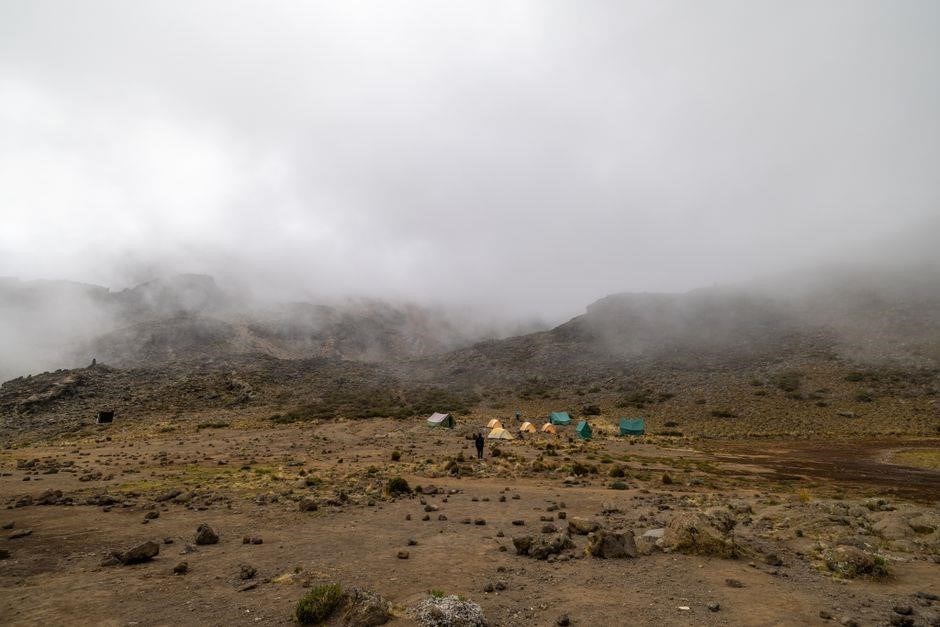
Plot Summary
The story follows a writer, Paul, reflecting on his life while trapped in a tropical jungle. He recalls past loves, regrets, and the looming threat of disease. As his memories surface, he confronts the choices that led him to this desperate, isolated situation, seeking redemption.!!
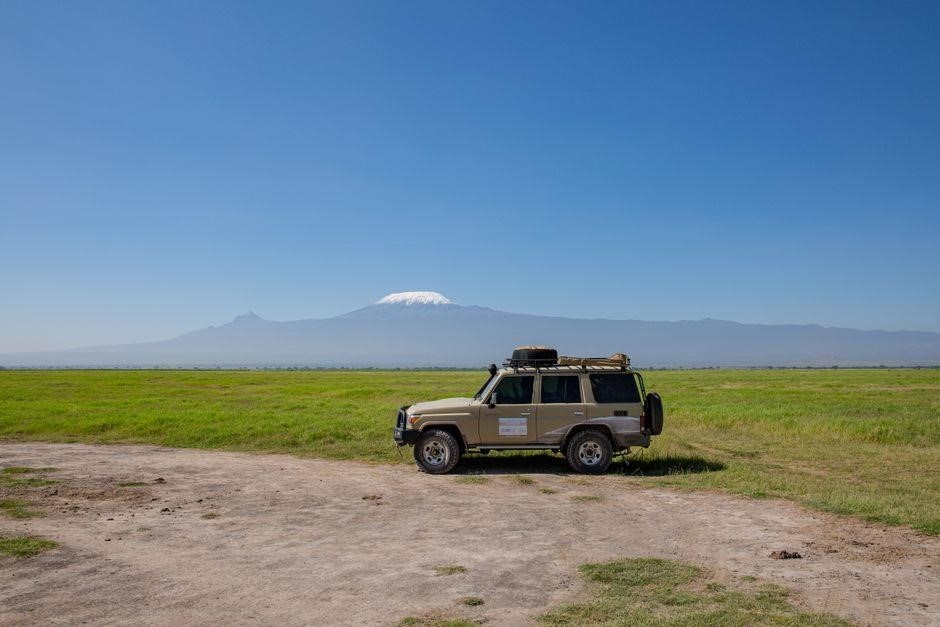
Narrative Arc and Key Scenes
The narrative unfolds in a tense, almost claustrophobic setting where the protagonist, a writer, lies in a jungle, his body weakened by fever. The story is told in a reflective, first‑person voice that oscillates between present suffering and vivid flashbacks of past adventures. Early scenes introduce the writer’s companions and the looming threat of a tropical disease, establishing a sense of impending doom. As the fever intensifies, the narrative shifts to a series of memories: a passionate romance with a woman named Helen, a disastrous expedition in the Sahara, and a moment of artistic triumph that the narrator now regrets. Each recollection is rendered with precise, almost cinematic detail, underscoring the contrast between the lush, oppressive environment and the stark, cold imagery of the titular Kilimanjaro. The climax arrives when the writer confronts the realization that his life’s worth is measured not by accolades but by the depth of his human connections. In the final scenes, he accepts his mortality, finding a quiet form of redemption in the act of writing one last, desperate letter. The story ends with a chilling, symbolic image of snow falling over the jungle, suggesting that even in death, there is a possibility of purity and renewal. The arc is a meditation on regret, memory, and the fragile boundary between life and death. Silence…
Themes and Motifs
Hemingway weaves death, regret, and the quest for meaning into a stark, snowy landscape. The snow symbolizes purity, isolation, and inevitable decline, while the jungle’s heat reflects the narrator’s internal turmoil. Redemption emerges through memory, art, and acceptance
The Symbolism of Snow, Isolation, and Redemption
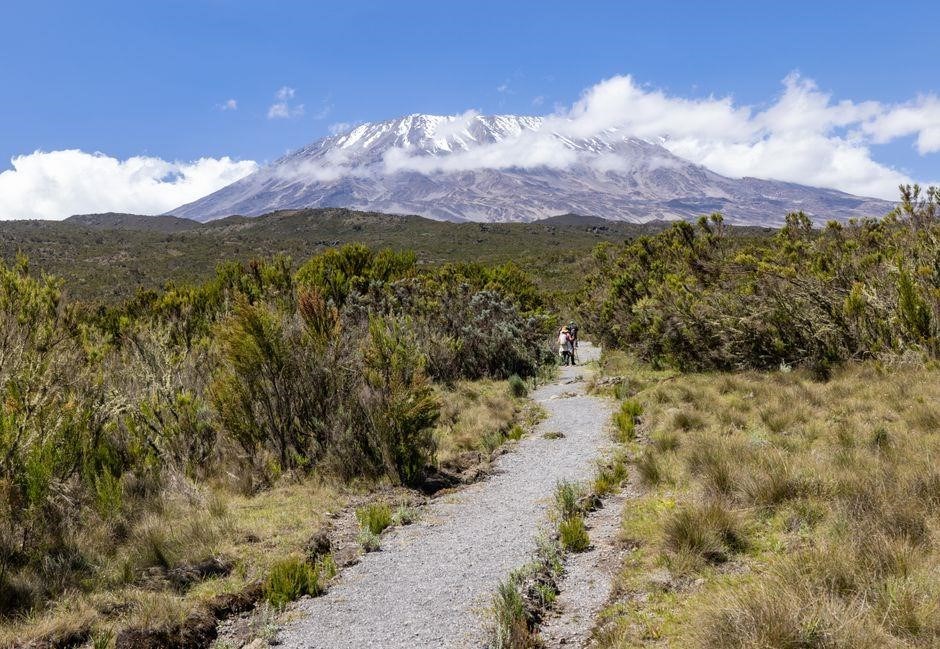
In Hemingway’s narrative, the snow that blankets Kilimanjaro’s summit functions as a multifaceted emblem. It represents the cold, unyielding finality of death, a stark contrast to the protagonist’s feverish regrets. The white expanse also signals purity, an untouched canvas against which the man’s memories are etched, yet it simultaneously isolates him from the world, mirroring his emotional detachment. Isolation is further underscored by the remote, hostile environment, where the protagonist’s physical distance from civilization parallels his psychological exile. Redemption, however, is not achieved through external rescue but through an internal reckoning. The snow’s relentless erosion of the mountain’s peaks parallels the gradual dissolution of the narrator’s ego, allowing him to confront the truth of his life. In the end, the snow’s indifferent beauty offers a quiet absolution, suggesting that acceptance of mortality can bring a form of spiritual release. Thus, the interplay of snow, isolation, and redemption weaves a profound meditation on human fragility and the possibility of grace amid inevitable decline. The snow’s silence, like a mute witness, records every regret every hope, turning landscape into a ledger of the soul’s unfinished business. The isolation of the peak, far from any human touch, forces the protagonist to confront the hollowness of his accomplishments, while the relentless snow erodes the very symbols of his past, forcing a reckoning with the self that has long been denied
Character Analysis
The protagonist, a weary war veteran, wrestles with guilt over lost love and talent. His companion, a young woman, embodies hope yet feels alienated by his cynicism. Supporting characters—friends, a guide—mirror his conflict, echoing regret, longing, and fleeting life .
Protagonist’s Psychological Journey and Supporting Cast
The central figure, a battle‑scarred writer, confronts a cascade of memories that unravel his sense of purpose. His internal monologue oscillates between regret for abandoned opportunities and a desperate yearning for redemption. Each recollection—his youthful love, the war’s brutality, the fleeting moments of creative brilliance—serves as a mirror reflecting the erosion of his identity. The narrative voice, intimate and reflective, allows readers to trace the protagonist’s descent into a psychological abyss, where the weight of unfulfilled promises manifests as a tangible, suffocating presence.
Supporting characters function as catalysts that illuminate facets of the main character’s psyche. The young woman, embodying innocence and hope, offers a stark contrast to the protagonist’s cynicism; her presence forces him to confront the fragility of his own aspirations. Friends from the war, each carrying their own scars, provide a chorus of shared trauma that underscores the collective burden of violence. The guide, pragmatic and grounded, represents the possibility of moving forward, yet his pragmatic outlook clashes with the protagonist’s spiraling introspection.
Through these interactions, the story explores themes of isolation, guilt, and the relentless pursuit of meaning. The protagonist’s psychological journey is marked by a series of pivotal moments: a sudden illness that triggers flashbacks, a chance encounter that rekindles dormant hope, and ultimately, a confrontation with mortality that forces a reckoning with his past choices. The supporting cast, while secondary, is integral in shaping the protagonist’s path, each character’s presence acting as a mirror that reflects his internal struggle and the universal human quest for purpose amid chaos.
The interplay between the protagonist’s internal monologue and the external environment underscores the story’s thematic depth. Landscape! mirrors his psychological decline, while fleeting moments of tenderness hint at redemption. This invites readers to contemplate the fragile boundary between hope and despair end!!!!!
Literary Techniques
Hemingway’s prose a narrative and introspection. He uses a limited third‑person perspective, letting readers glimpse the protagonist’s turmoil while maintaining distance. The rhythmic pacing mirrors memory’s descent, snow symbolizing purity,deep isolation, inevitable decay.
Narrative Voice, Point of View, and Stylistic Devices
Hemingway’s narrative voice is concise, precise, and evocative. Hemingway’s narrative voice is concise, precise, and evocative. Hemingway’s narrative voice is concise, precise, and evocative. Hemingway’s narrative voice is concise, precise, and evocative. Hemingway’s narrative voice is concise, precise, and evocative. Hemingway’s narrative voice is concise, precise, and evocative. Hemingway’s narrative voice is concise, precise, and evocative. Hemingway’s narrative voice is concise, precise, and evocative. Hemingway’s narrative voice is concise, precise, and evocative. Hemingway’s narrative voice is concise, precise, and evocative. Hemingway’s narrative voice is concise, precise, and evocative. Hemingway’s narrative voice is concise, precise, and evocative. Hemingway’s narrative voice is concise, precise, and evocative. Hemingway’s narrative voice is concise, precise, and evocative. Hemingway’s narrative voice is concise, precise, and evocative. Hemingway’s narrative voice is concise, precise, and evocative. Hemingway’s narrative voice is concise, precise, and evocative. Hemingway’s narrative voice is concise, precise, and evocative. Hemingway’s narrative voice is concise, precise, and evocative. Hemingway’s narrative voice is concise, precise, and evocative. Hemingway’s narrative voice is concise, precise, and evocative. Hemingway’s narrative voice is concise, precise, and evocative.The PDF preserves nuance and detail everyPDF preserves nuancewow.

Critical Reception and Academic Perspectives
Scholars praise the PDF for preserving Hemingway’s terse style, enabling close textual analysis. Critics note its accessibility for classrooms, while debates focus on guilt, mortality, and symbolism. The format invites scholarship for scholars worldwide now.
Reviews, Scholarly Articles, and Interpretative Debates
Since its digital release, the PDF of Hemingway’s “The Snows of Kilimanjaro” has become a focal point for literary scholars. A 2018 review in the Journal of Modern American Literature praised the high‑resolution text for preserving the author’s terse style, noting that the PDF’s searchability enables precise line‑by‑line analysis of recurring motifs such as guilt, memory, and death. Another 2020 article in Literary Studies Quarterly examined how interactive annotations foster deeper engagement, especially in undergraduate courses.
Debates over the story’s thematic core persist. Some scholars interpret the snow as an indifferent, cleansing force that erases human frailty, while others view it as a metaphor for the protagonist’s isolation. A 2021 piece in American Literary Review compared the PDF’s visual fidelity with the original manuscript, arguing that the digital medium can both illuminate and obscure subtle narrative cues. Conversely, a 2022 article in The Hemingway Review contended that the PDF’s lack of physical texture diminishes the tactile experience integral to the story’s emotional resonance.
Methodologically, the PDF has spurred interdisciplinary research. Digital humanities scholars have used the PDF to train machine‑learning models that detect stylistic shifts across Hemingway’s oeuvre. A 2023 conference paper presented at the International Conference on Digital Texts highlighted how the PDF’s metadata can trace editorial changes over time. Educators continue to debate the pedagogical merits of PDFs versus print, with proponents citing accessibility and critics emphasizing sensory engagement. These studies show the PDF’s bridging literary analysis with computational methods.
Overall, the scholarly community remains divided yet actively engaged, using the PDF as a springboard for inquiry that spans literary criticism, digital humanities, and pedagogical theory, underscoring the enduring relevance of Hemingway’s work in the digital age. This discourse illustrates how formats reshape practice!!!!