Gourmet Trends Pressure Canner Manual: A Comprehensive Guide
This manual details the Gourmet Trends Pressure Canner, assisting users in safe and effective preservation. It covers features, operation, and gourmet canning techniques,
ensuring quality results.
Understanding the Gourmet Trends Pressure Canner
The Gourmet Trends Pressure Canner is designed for both novice and experienced canners seeking to preserve a variety of foods, from traditional vegetables to gourmet sauces and jams. Available in 16 Qt and 23 Qt capacities, these canners utilize pressure to achieve temperatures higher than boiling, crucial for safely preserving low-acid foods like meats and vegetables.
Understanding the core principles of pressure canning is vital. The canner creates a sealed environment, building pressure that elevates the boiling point of water. This higher temperature effectively destroys harmful bacteria, including Clostridium botulinum, which causes botulism. The canner’s construction, typically heavy-gauge aluminum, ensures even heat distribution and durability.
Whether you’re batch canning for winter storage or crafting small-batch gourmet preserves, the Gourmet Trends Canner offers versatility. Proper operation, including accurate venting and pressure control, is paramount for food safety and quality. This manual will guide you through each step, ensuring successful and delicious results.
Key Features and Specifications
Gourmet Trends Pressure Canners boast several key features designed for efficient and safe canning. Constructed from heavy-gauge aluminum, they ensure even heat distribution for consistent processing. Both the 16 Qt and 23 Qt models accommodate various jar sizes, ranging from 4oz jars ideal for small-batch jams and pickles, up to standard quart jars for larger preserves.
A critical specification is the pressure gauge system. Gourmet Trends offers models with both weighted gauges (All American style) and dial gauges (Presto style). The 16 Qt model readily supports stacking up to 39 four-ounce jars or 18 pint jars.
These canners are designed for multi-purpose use, functioning as both pressure canners and water bath canners. Safety features, including locking lids and vent pipes, are integral to the design. The large capacity of the 23 Qt model is particularly suited for batch canning, maximizing efficiency for larger harvests.
Comparing Gourmet Trends Canners: 16 Qt vs. 23 Qt
Choosing between the 16 Qt and 23 Qt Gourmet Trends Pressure Canner depends on your canning volume and needs. The 16 Qt model is excellent for smaller households or those focusing on frequent, smaller batches – think sauces, jams, and pickles. It efficiently handles up to 39 stacked 4oz jars or 18 pint jars, offering versatility.
Conversely, the 23 Qt canner excels in batch canning, ideal for processing larger harvests of vegetables or fruits at once. Its increased capacity significantly reduces processing time when preserving substantial quantities. Both models share the same heavy-gauge aluminum construction and compatibility with various jar sizes.
Consider storage space; the 23 Qt requires more room. Ultimately, the 16 Qt prioritizes convenience for smaller batches, while the 23 Qt maximizes efficiency for large-scale preservation efforts.
Capacity and Batch Canning
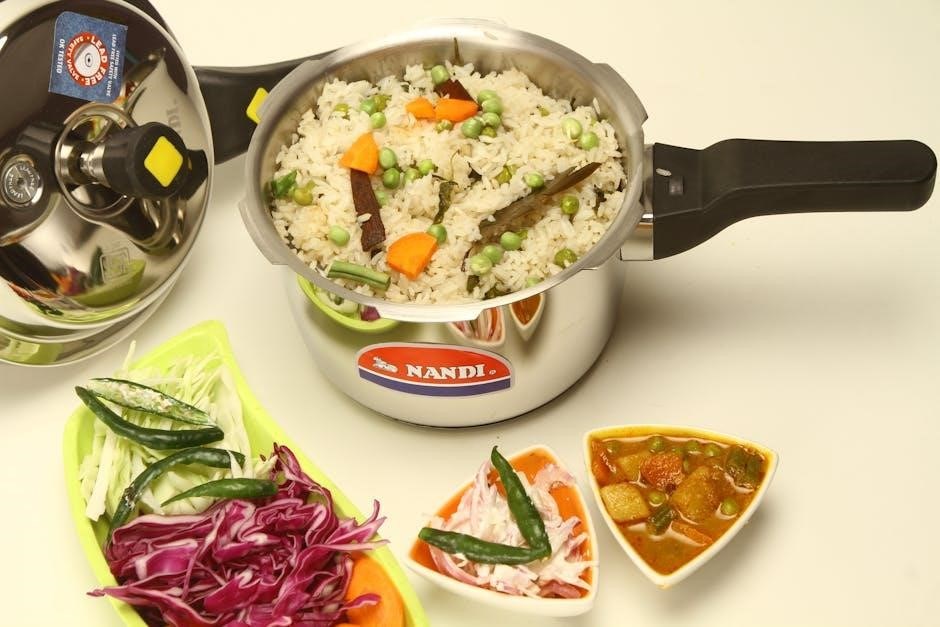
Gourmet Trends Pressure Canners are designed for efficient batch canning, maximizing your preservation efforts. Capacity directly impacts the number of jars processed per cycle, saving time and energy. The 16 Qt model accommodates smaller batches, perfect for specialty items like jams or pickles, holding up to 39 four-ounce jars or 18 pint jars.
The larger 23 Qt canner significantly increases batch size, ideal for processing larger harvests of vegetables or fruits. This larger capacity streamlines the preservation of seasonal produce, reducing the number of canning sessions required.
Proper jar loading is crucial for safe and effective canning. Always follow recommended jar spacing guidelines to ensure adequate heat circulation during processing. Batch canning with Gourmet Trends ensures consistent, high-quality preserved foods.
Material and Construction (Heavy-Gauge Aluminum)
Gourmet Trends Pressure Canners are crafted from heavy-gauge aluminum, a material chosen for its exceptional heat distribution and durability. This robust construction ensures even heating throughout the canning process, minimizing hot spots and promoting consistent preservation results.
Aluminum’s lightweight nature, compared to stainless steel, makes the canner easier to handle, even when fully loaded with jars and liquid. The heavy-gauge thickness resists warping or denting, guaranteeing long-term reliability and performance.
This material is also non-reactive, preventing unwanted flavor alterations in your preserved foods. The quality of the aluminum contributes to the canner’s ability to withstand the high pressures required for safe canning, making it a dependable kitchen tool.
Pressure Gauge Types: Weighted vs. Dial
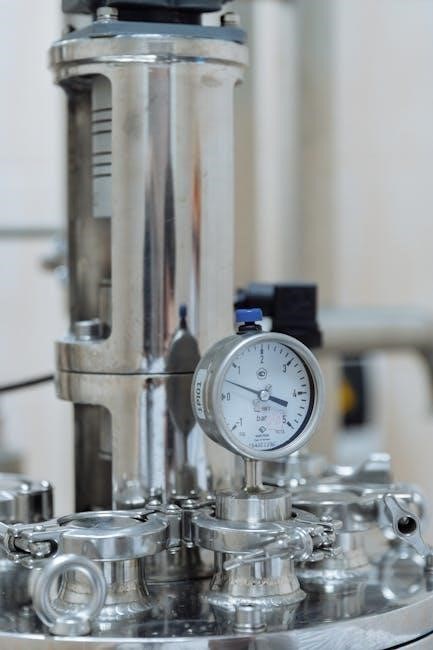
Gourmet Trends Pressure Canners offer two primary pressure regulation systems: weighted gauges (like those found in All American models) and dial gauges (similar to Presto designs). Each type provides precise pressure control, crucial for safe and effective canning, especially at varying altitudes.
Weighted gauges utilize calibrated weights that automatically regulate pressure by releasing steam when the set point is reached. They are known for their simplicity and reliability, requiring no user monitoring during the canning process.
Dial gauges, conversely, display the pressure level on a visible dial, allowing for continuous monitoring. This offers convenience and the ability to make minor adjustments, but requires attentive observation throughout the canning cycle. Both systems are vital for achieving proper preservation.
Weighted Gauge (All American Style) – Precision and Reliability
All American style pressure canners, utilizing weighted gauges, are renowned for their exceptional precision and unwavering reliability. These gauges operate on a simple yet effective principle: calibrated weights release steam to maintain a consistent pressure throughout the canning process. This automatic regulation minimizes the risk of over or under-processing, ensuring food safety and optimal preservation.
Unlike dial gauges, weighted gauges require no external power or calibration checks, offering long-term dependability. The system’s inherent stability makes it particularly well-suited for preserving a wide range of foods, from delicate jams to hearty vegetables.
This hands-off approach allows canners to focus on other tasks, confident in the consistent performance of the weighted gauge system.
Dial Gauge (Presto Style) – Convenience and Monitoring
Presto-style pressure canners, featuring dial gauges, offer a convenient and visually informative canning experience. These gauges display the internal pressure with a needle indicator, allowing users to closely monitor the canning process in real-time. This provides a clear understanding of the pressure levels and enables precise adjustments as needed.
However, dial gauges require periodic calibration to ensure accuracy, typically annually. Regular checks are crucial for maintaining food safety and achieving optimal preservation results. The dial’s clear display allows for easy monitoring, but relies on the user’s attention to maintain the correct pressure throughout the canning cycle.
The Presto 16 Qt supports multiple jar sizes, from 4oz to quart jars, enabling versatile batch canning.
Safety Features and Operation
The Gourmet Trends Pressure Canner prioritizes safety with multiple built-in features. Proper venting is paramount; always allow a steady stream of steam to vent for the manufacturer’s recommended duration – typically 10 minutes – before adding the weight or closing the vent. This removes air, crucial for achieving accurate pressure.
Never attempt to open the canner while pressure remains inside. Always allow it to cool naturally, or follow the manufacturer’s instructions for quick release, exercising extreme caution. Accurate pressure control is vital, especially at varying altitudes, to ensure food safety and prevent spoilage.
Understanding the canner’s locking mechanism and following all operational guidelines are essential for safe and successful canning.
Proper Venting Procedures
Effective venting is critical for safe operation of the Gourmet Trends Pressure Canner. Before each use, ensure the vent pipe is clear of obstructions. Begin by filling the canner with the recommended amount of water, as specified in the manual. Heat the canner on high until a vigorous stream of steam escapes from the vent pipe.
Allow this steady stream to continue for a full 10 minutes – this crucial step purges all air from inside, ensuring accurate pressure development during processing. Failure to vent properly can lead to under-processing and potential food spoilage.
After the 10-minute venting period, attach the weighted gauge or close the vent according to the model’s instructions.
Achieving Accurate Pressure Control for Altitude
Accurate pressure is paramount for safe canning, especially at higher altitudes where water boils at a lower temperature. The Gourmet Trends Pressure Canner requires pressure adjustments based on your elevation above sea level. Consult reliable canning charts – readily available online or through extension offices – to determine the correct pressure for your specific altitude and food type.
Weighted gauges automatically adjust for altitude to a certain extent, but dial gauges require manual adjustment. Carefully follow the instructions in your canner’s manual to adjust the dial gauge to the appropriate pressure reading for your elevation.
Under-processing due to insufficient pressure can lead to spoilage, while over-processing can affect food texture.
Gourmet Canning: Beyond Basic Preservation
Gourmet canning elevates traditional preservation with sophisticated flavor combinations and presentation. The Gourmet Trends Pressure Canner empowers you to create artisanal preserves, moving beyond simple fruits and vegetables. Explore unique recipes featuring infused oils, herbs, and spices to craft distinctive jams, pickles, and sauces.
Small-batch canning is ideal for experimenting with gourmet flavors, allowing for precise control and customization. Utilize the canner’s versatility to process everything from delicate fruit butters to robust tomato-based sauces.
Consider incorporating seasonal ingredients and locally sourced produce to enhance the quality and flavor of your gourmet creations.
Small Batch Canning: Sauces, Jams, and Pickles

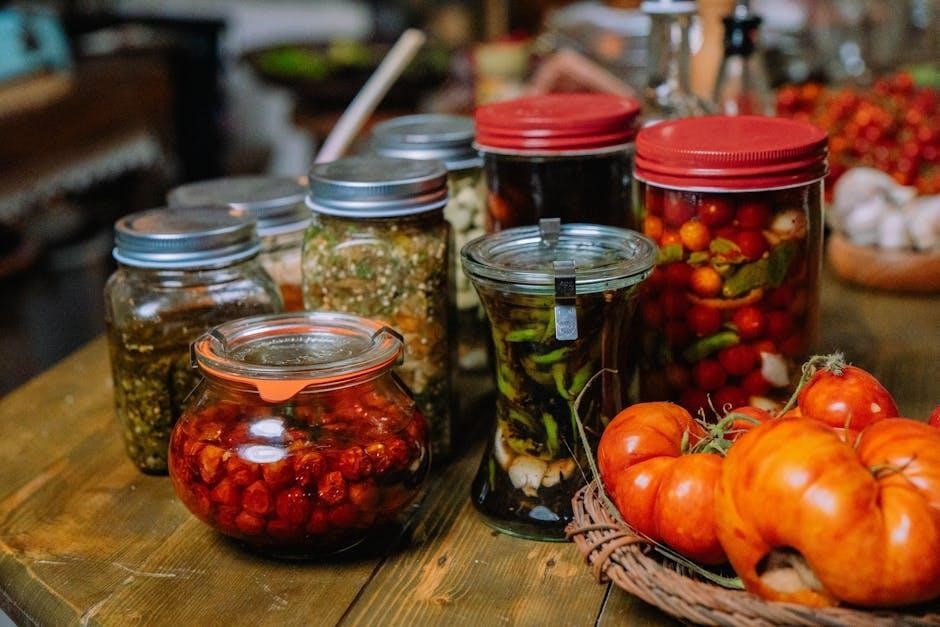
The Gourmet Trends Pressure Canner excels at small-batch canning, perfect for gourmet experimentation. Its compatibility with jar sizes from 4oz to quarts allows for precise portioning of artisanal sauces, jams, and pickles. Imagine crafting a spicy chili garlic sauce or a delicate raspberry lavender jam – the possibilities are endless!
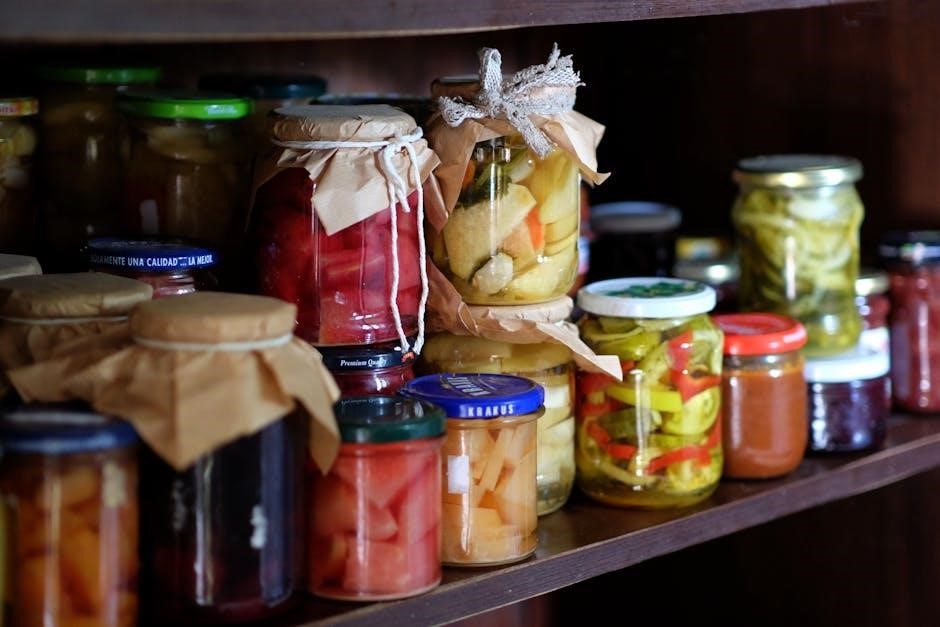
Small batches ensure optimal flavor development and allow for easy recipe adjustments. The 16 Qt model, for example, can accommodate 39 stacked 4oz jars or 18 pint jars, ideal for testing new flavor profiles.
Preserve seasonal delights in small quantities, guaranteeing freshness and unique gourmet offerings throughout the year.
Jar Size Compatibility (4oz to Quart Jars)
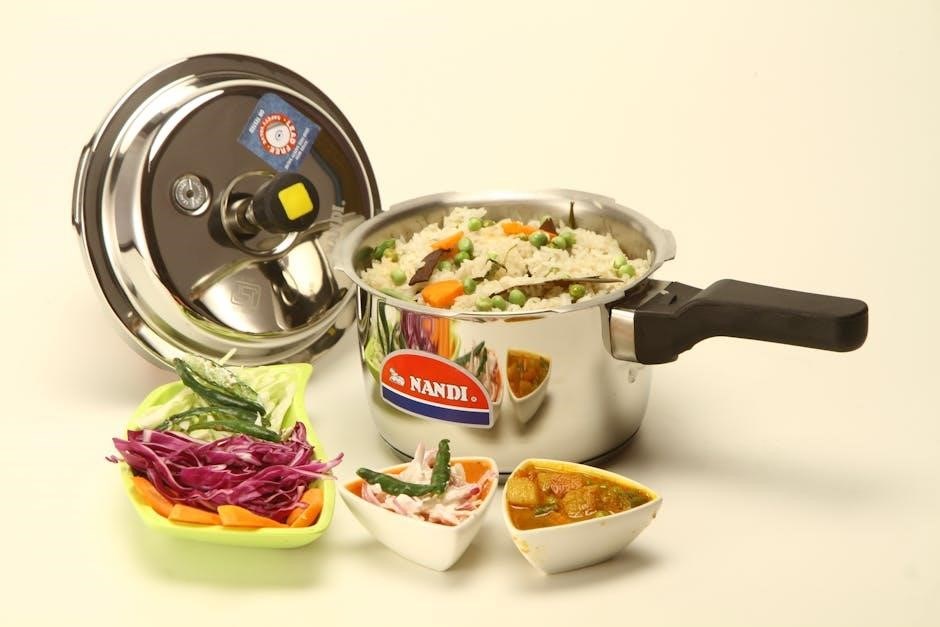
Gourmet Trends Pressure Canners demonstrate exceptional versatility through broad jar size compatibility, ranging from petite 4oz jars to standard quart jars. This feature is crucial for gourmet cooks who often work with smaller batches of specialty items like infused oils, artisanal pickles, or unique fruit preserves.
The 16 Qt model specifically supports this range, allowing for up to 39 stacked 4oz jars or 18 stacked pint jars per load. This flexibility eliminates the need for multiple canning setups, streamlining the preservation process.
Whether you’re creating a large supply of tomato sauce or a limited edition batch of spiced peaches, the canner adapts to your needs, ensuring consistent and safe results.

The Evolution of Gourmet Food Trends
The rise of gourmet food trends is a fascinating journey, shifting from exclusive, elitist tastes to a widely accessible and celebrated culinary landscape. Historically, a distinct division existed between sophisticated “gourmet” preferences and a more populist aversion to perceived fancy foods.
However, the 1980s witnessed a significant movement in the United States, bridging this gap and democratizing gourmet experiences. This era sparked increased interest in high-quality ingredients, innovative cooking techniques, and refined presentation.
Today, “gourmet” encompasses a spectrum – a class of restaurant, a style of cuisine, a meticulously crafted meal, or even a single, exceptional ingredient. This evolution fuels the demand for tools like the Gourmet Trends Pressure Canner, empowering home cooks to recreate these experiences.
From Elitist Tastes to Populist Appeal (1980s Movement)
The 1980s marked a pivotal shift in the perception of gourmet food, dismantling long-held barriers between exclusive, “elitist” tastes and the broader public’s culinary preferences. Previously, gourmet dining and ingredients were often associated with high society and inaccessible extravagance.
This decade witnessed a growing desire for culinary exploration and a rejection of bland, mass-produced foods. Chefs began emphasizing fresh, seasonal ingredients and innovative cooking methods, attracting a wider audience. Food television and magazines further fueled this burgeoning interest.
The movement democratized gourmet experiences, making high-quality food more approachable and desirable. This cultural change directly impacts modern canning, as individuals seek to preserve these elevated flavors at home, utilizing tools like the Gourmet Trends Pressure Canner.
Defining “Gourmet”: Epicure, Gastronome, and Gourmand
Understanding the nuances of “gourmet” requires exploring related terms like epicure, gastronome, and gourmand. While often used interchangeably, each carries a distinct connotation regarding the appreciation of fine food and drink.
An epicure suggests a refined and somewhat indulgent palate, prioritizing luxurious tastes and sensory pleasure. A gourmet, however, implies a more discerning connoisseurship, appreciating quality, presentation, and sophisticated flavors. They actively seek out exceptional culinary experiences.
A gastronome delves deeper, possessing extensive knowledge of food history, preparation techniques, and regional cuisines. Finally, a gourmand simply enjoys eating and drinking heartily, often with a large appetite.
The Gourmet Trends Pressure Canner caters to all these levels, enabling users to preserve and enjoy high-quality ingredients, reflecting a true gourmet lifestyle.
Fresh Treats Gourmet Bistro: A Modern Example of Gourmet Dining
Fresh Treats Gourmet Bistro in Decatur, GA, exemplifies modern gourmet dining, showcasing bold flavors and fresh, high-quality ingredients. For over thirteen years, they’ve cultivated an unforgettable dining experience, emphasizing creative plating and a vibrant atmosphere.
Their menu features global bowls, shareable appetizers, handcrafted burgers, and signature entrées – each dish designed for both exceptional taste and visual appeal. This dedication to culinary artistry mirrors the principles behind gourmet canning.
Just as Fresh Treats prioritizes fresh, flavorful ingredients, the Gourmet Trends Pressure Canner allows home cooks to preserve peak-season produce, creating gourmet-quality preserves. Both represent a commitment to elevating the dining experience, whether enjoyed in a bistro or at home.
The bistro caters to young foodies and trendsetters, demonstrating the evolution of gourmet appeal.