
The Zelda II NES manual is a vital guide for understanding the game’s mechanics, story, and controls․ It provides essential details for navigating Hyrule and overcoming challenges, ensuring players grasp the unique gameplay elements introduced in this sequel․ Digital versions, including scans and PDFs, are widely available for accessibility and preservation․
1․1 Overview of the Manual’s Contents
The Zelda II NES manual provides a comprehensive guide to the game, detailing its story, gameplay mechanics, and controls․ It includes sections on Link’s movements, combat techniques, and the use of magic and items․ The manual also outlines the game’s world, including the overworld and dungeons, and offers tips for progression․ Scans and PDF versions of the manual are available online, preserving its content for modern players․ These digital versions maintain the original structure, ensuring accessibility for both retro gaming enthusiasts and newcomers․ The manual remains a crucial resource for understanding the game’s unique features and challenges․
1․2 Historical Significance of the Manual
The Zelda II NES manual holds significant historical value as a key artifact of early gaming culture․ It provides insights into the design and mechanics of one of the most influential games in the Zelda series․ The manual’s detailed instructions and artwork reflect the era’s approach to game design and player guidance․ Its preservation through scans and PDFs ensures accessibility for retro gaming enthusiasts and historians․ Collectors prize original copies for their rarity and nostalgic appeal․ The manual also serves as a testament to the evolution of gaming documentation, showcasing how instructional materials have changed over time․ Its legacy endures as a vital part of gaming history․

Game Overview
Zelda II: The Adventure of Link is an action-adventure game released for the NES in 1988․ It introduced side-scrolling gameplay and magic, expanding on the original’s formula․ The game follows Link as he explores Hyrule, battles enemies, and solves puzzles to awaken Princess Zelda․ Its unique mechanics and challenging design set it apart in the series, making it a memorable sequel that built upon the foundation of the first game while introducing new elements to the franchise․
2․1 The Legend of Zelda Series Context
The Legend of Zelda series, launched in 1986, revolutionized action-adventure games with its open-world exploration and puzzle-solving․ The first game introduced the land of Hyrule, the Triforce, and the hero Link, setting the foundation for a beloved franchise․ Zelda II: The Adventure of Link, released in 1988, expanded on this legacy with new gameplay mechanics, including side-scrolling sections and magic usage․ The manual played a key role in explaining these innovations, helping players navigate the evolving world of Hyrule and understand the growing lore surrounding the Triforce and the eternal conflict between good and evil․
2․2 Release and Impact of Zelda II
Zelda II: The Adventure of Link was released in 1988 for the NES, introducing significant gameplay changes that set it apart from its predecessor․ The game featured side-scrolling sections, magic spells, and a greater emphasis on combat, expanding the series’ scope․ While it received mixed reviews at launch due to its difficulty, it has since become a cult classic․ The manual played a crucial role in guiding players through these new mechanics, ensuring they could navigate the evolving world of Hyrule․ Its release solidified the Zelda series’ place in gaming history, and its influence can still be seen in modern entries․ The manual remains a cherished collectible among fans, highlighting the game’s enduring legacy․

Story and Setting
Zelda II unfolds in the kingdom of Hyrule, where Link must awaken Princess Zelda and recover the Triforce of Courage․ The land is filled with ancient temples, mysterious creatures, and hidden dangers, setting the stage for an epic quest to restore peace and defeat evil forces․
3․1 The Legend of Zelda and Triforce
The Legend of Zelda revolves around the Triforce, a sacred relic symbolizing power, wisdom, and courage․ In Zelda II, the Triforce of Courage is central to Link’s quest․ The manual details how the Triforce was used by Hyrule’s ruler to maintain peace but was later sought by evil forces․ Link’s mission to recover the Triforce of Courage highlights its importance in restoring balance to the kingdom․ The Triforce’s lore, as explained in the manual, underscores its divine power and the harmony it brings when united․ This foundational element drives the game’s narrative and Link’s heroic journey․
3․2 The Role of Link and Princess Zelda
Link, the protagonist, is tasked with awakening Princess Zelda from a deep sleep and recovering the Triforce of Courage․ The manual explains that Zelda’s fate is tied to the kingdom’s survival, and Link’s quest is driven by her plight․ As the chosen hero, Link must navigate Hyrule, defeat palace guardians, and place crystals in statues to unlock the path to the final challenge․ Princess Zelda’s role is central to the story, as her sleep is a result of the kingdom’s turmoil․ The manual emphasizes Link’s bravery and Zelda’s importance, highlighting their interconnected roles in restoring peace to Hyrule․
Gameplay Mechanics
Zelda II introduces side-scrolling combat and RPG elements, with Link exploring vast overworlds and dungeons․ The manual details enemy interactions, magic usage, and item collection, essential for progression․
4․1 Overworld and Dungeon Exploration

Zelda II’s overworld and dungeons offer a mix of exploration and combat․ The manual guides players through Hyrule’s vast landscapes, detailing palace locations and hidden paths․ Dungeons require strategic navigation, with puzzles and enemies challenging Link․ The manual provides maps and tips for overcoming obstacles, emphasizing item usage and magic․ Players must collect crystals and defeat guardians to progress, ultimately reaching the Valley of Death․ The manual highlights the importance of persistence and strategy in mastering the game’s challenging design․
4․2 Combat System and Enemy Interactions
Zelda II introduces a refined combat system, emphasizing real-time action and strategy․ The manual details Link’s offensive and defensive moves, such as sword strikes and shield blocking․ Enemies exhibit distinct patterns, requiring players to adapt their tactics․ The manual highlights the importance of timing and precision in battles, especially against tougher foes․ It also explains how to recognize and exploit enemy weaknesses, ensuring effective progression․ The combat mechanics are central to the game’s challenge, and the manual provides insights to help players master these interactions and overcome the diverse array of adversaries in Hyrule․
4․3 Magic and Item Usage
Magic and items are crucial for Link’s success in Zelda II․ The manual details how to acquire and use spells like “Shield” and “Jump,” which enhance abilities․ Items such as the Boomerang and Candle provide utility, aiding in exploration and combat․ The manual explains how to equip and activate these tools, emphasizing their strategic importance․ Players must manage magic levels, as spells consume stamina․ Proper use of items and magic is essential for overcoming challenges, making the manual an invaluable resource for mastering these elements and progressing through the game effectively․

Controls and Basic Movements
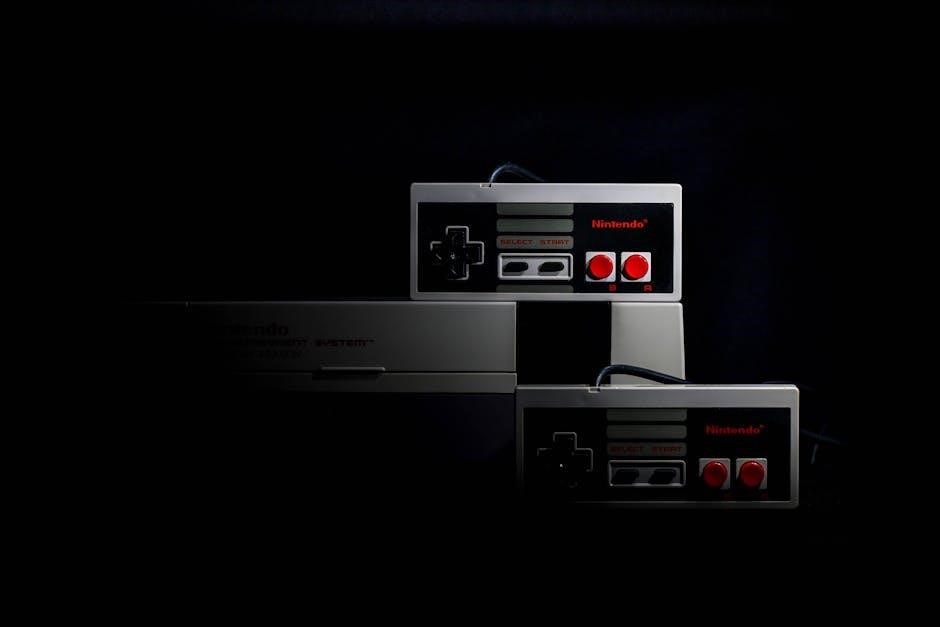
The NES controller layout is detailed in the manual, explaining Link’s movements and actions․ Players use the D-pad for direction, A for attacking, and B for items․ Start and Select manage the game’s state, ensuring smooth navigation and control․
5․1 NES Controller Layout
The NES controller layout is essential for mastering Zelda II․ The D-pad controls Link’s movement, while the A button handles attacking with the sword․ The B button is used for items like bombs and arrows․ Start pauses the game, and Select switches between item usage․ The manual details these controls, ensuring players can navigate Hyrule effectively․ Proper use of the controller is crucial for combat and exploration, making it a foundational element of the gameplay experience․
5․2 Link’s Movements and Actions
Link’s movements and actions are central to gameplay in Zelda II․ Using the D-pad, players control Link’s lateral and vertical movements․ The A button executes sword attacks, while the B button utilizes items like bombs and arrows․ Link can also perform upward and downward thrusts, essential for defeating certain enemies․ The manual details these mechanics, emphasizing precise control for effective exploration and combat․ Link’s abilities, such as jumping over obstacles and crouching to avoid attacks, are also outlined, providing players with the tools to navigate Hyrule’s diverse environments successfully․
5․3 Combat Techniques
Zelda II’s combat system requires precision and strategy․ Players master sword techniques, including upward and downward thrusts, essential for defeating specific enemies․ Shield blocking is crucial for defense, reducing damage from enemy attacks․ The manual highlights the importance of timing and positioning, as Link’s movements and attacks must be synchronized to overcome foes effectively․ Combat evolves as Link acquires new abilities and items, such as the boomerang and hammer, expanding his offensive and defensive options․ Practice is key, as challenging enemies and bosses demand skill and patience․ The game’s combat depth rewards mastery, making it a cornerstone of the Zelda II experience․

The Role of the Manual
The Zelda II NES manual is crucial for understanding gameplay mechanics, controls, and the story․ It provides tips for progression and explains essential concepts, ensuring players can navigate Hyrule effectively․ Digital versions, like PDFs, preserve this guide for future reference, maintaining its accessibility and relevance․
6․1 Navigating the Game World

The Zelda II NES manual provides detailed guidance on navigating the game world, including the overworld and dungeons․ It explains how to use maps to track progress and identify key locations․ The manual highlights the importance of exploring thoroughly to uncover hidden paths and secrets․ Instructions on how to interact with non-playable characters (NPCs) and interpret their clues are also included․ Additionally, it outlines the process of collecting crystals and placing them in statues to progress through the game․ The manual emphasizes the need to remember specific areas, such as the Valley of Death, where the final challenges await․ This section ensures players understand the layout and objectives of Hyrule, making exploration more efficient and enjoyable․
6․2 Understanding Game Mechanics
The Zelda II NES manual thoroughly explains the game’s core mechanics, such as life points, magic usage, and combat techniques․ It details how Link takes damage and loses life points when hit by enemies, emphasizing the importance of avoiding attacks․ The manual also covers the role of magic, including spells like the Shield and Jump spells, and how they enhance gameplay․ Combat mechanics, such as sword fighting and enemy patterns, are described to help players master battles․ Additionally, it explains the significance of collecting experience points to upgrade Link’s abilities․ This section ensures players grasp the fundamental systems, making the game more accessible and enjoyable to play․
6․3 Tips for Progression
The Zelda II NES manual offers valuable tips to aid players in progressing through the game․ It emphasizes the importance of exploring the overworld and dungeons thoroughly to uncover hidden secrets and essential items․ The manual advises conserving health by avoiding unnecessary battles and using magic strategically, such as the Shield spell to reduce damage․ Additionally, it highlights the need to master combat techniques, like precise sword strikes and enemy pattern recognition․ Players are encouraged to practice and upgrade Link’s abilities by collecting experience points․ These tips help players navigate challenges effectively, ensuring steady progress through Hyrule and ultimately defeating the final guardian to recover the Triforce of Courage․

Preservation and Availability
The Zelda II NES manual is preserved through high-quality scans and PDFs available online, ensuring accessibility for fans and collectors․ Digital archiving efforts by enthusiasts have made it widely available, maintaining its value as a historical gaming artifact․
7․1 Scans and PDFs of the Manual
High-quality scans and PDFs of the Zelda II NES manual are widely available online, preserving its content for future generations․ These digital versions, often in 600DPI, maintain clarity and detail, ensuring readability․ Fans and collectors can access untouched PNGs or edited JPEGs, with some scans undergoing cleanup for improved quality․ PDFs are also available, including OCR versions for easy searching․ These resources are hosted on platforms like Nintendo’s official website and community archives, such as Reddit’s /r/Zelda․ Enthusiasts have contributed to these efforts, ensuring the manual remains accessible and preserved in various formats for both nostalgic players and new explorers of Hyrule․
7․2 Collectors’ Value
The Zelda II NES manual holds significant value among collectors, particularly when paired with the complete game in its original packaging․ Mint-condition manuals are highly sought after, with their worth increasing due to rarity and demand․ Complete-in-box (CIB) copies, including the manual, are especially prized by enthusiasts․ Even standalone manuals in good condition can command notable prices․ For those unable to acquire an original, high-quality reprints are available, offering a cost-effective alternative․ The manual’s collectibility reflects its historical significance and the enduring popularity of the Zelda series, making it a cherished item for both retro gaming enthusiasts and dedicated collectors․
7․3 Digital Archiving Efforts
Digital archiving of the Zelda II NES manual has been a priority for preservationists and fans․ High-quality scans and PDFs are widely available online, ensuring accessibility for future generations․ Communities and archivists have meticulously scanned and uploaded manuals, often at high resolutions like 600DPI, to maintain clarity and detail․ These digital versions are not only convenient but also help prevent the loss of this valuable resource․ Efforts include OCR (Optical Character Recognition) processing for searchable text, enhancing usability․ Official sources, such as Nintendo’s website, and fan-driven initiatives have contributed to this digital legacy, ensuring the manual remains accessible and preserved for years to come․

Legacy and Impact
The Zelda II NES manual has left a lasting influence, preserved through digital archiving and cherished by collectors․ Its detailed content shaped future Zelda games and fostered community engagement․
8․1 Influence on Future Zelda Games
Zelda II introduced innovative gameplay mechanics that shaped future Zelda titles․ Its side-scrolling sections and RPG elements, like an experience system, influenced games like Ocarina of Time and Breath of the Wild․ The manual’s detailed guide on combat and exploration set a standard for clarity in later game manuals․ Its legacy is evident in the series’ evolution, with many modern titles incorporating similar dungeon layouts and item systems․ The manual’s preservation through digital archiving ensures its influence remains accessible, inspiring both developers and fans․ Zelda II’s impact on the series’ design and storytelling continues to be celebrated, making it a cornerstone of gaming history․
8․2 Community and Fan Engagement
The Zelda II NES manual has fostered a vibrant community of fans who cherish its detailed insights and nostalgic value․ Online forums and social media groups dedicated to the Legend of Zelda series frequently discuss the manual’s contents, sharing scans and strategies․ Fans have created high-quality PDFs and art inspired by its illustrations, while speedrunners and completionists rely on its guidance for optimal gameplay․ The manual’s availability in digital formats has further fueled community engagement, enabling new generations to explore its secrets․ This shared resource has become a cornerstone of Zelda fandom, connecting enthusiasts worldwide through their love for the game and its history․
8․3 Modern Relevance
The Zelda II NES manual remains relevant today as a cherished piece of gaming history․ Its digital availability through scans and PDFs ensures accessibility for new generations of players and collectors․ Fans continue to create art, guides, and mods inspired by its content, showcasing its enduring influence․ The manual’s detailed gameplay explanations and lore have also become a valuable resource for speedrunners and retro gaming enthusiasts․ Its reprints and high-quality reproductions cater to collectors, highlighting its lasting appeal․ As a result, the manual bridges the gap between retro gaming and modern culture, preserving its legacy while inspiring new creations and communities․
The Zelda II NES manual remains a vital resource for understanding the game’s mechanics and lore․ Its availability in digital formats ensures accessibility for new generations of players and collectors, preserving its historical significance and enduring relevance in the world of retro gaming․
9․1 Importance of the Manual
The Zelda II NES manual is an essential resource for understanding the game’s mechanics, story, and controls․ It provides detailed insights into Link’s abilities, the Triforce’s role, and the world of Hyrule․ The manual’s availability in digital formats, such as PDFs and scans, ensures accessibility for modern players and collectors․ Its historical significance lies in preserving the game’s original intent and design philosophy․ For collectors, the manual adds value to the game’s physical copy, making it a cherished item․ Its clear instructions and lore have cemented its importance as a cornerstone of Zelda II’s legacy, ensuring its relevance for future generations․
9․2 Final Thoughts
The Zelda II NES manual remains a cornerstone of gaming history, offering invaluable insights into the game’s mechanics and lore․ Its detailed instructions and narrative depth have helped players navigate Hyrule and understand Link’s quest․ The manual’s availability in digital formats ensures its accessibility for modern gamers and collectors․ As a collectible item, it holds significant value, symbolizing nostalgia and the era of physical game guides․ Its preservation through scans and PDFs highlights the community’s dedication to maintaining gaming heritage․ The manual’s legacy endures, serving as a testament to the importance of clear design and storytelling in gaming․